

San Antonio Drivers
KEEP YOUR CABIN COOLER, CLEARER, AND PROTECTED FOR LIFE — WITH OUR PREMIUM CERAMIC WINDOW TINT
Our self-healing PPF shields your paint from rock chips, scratches, road debris, and UV damage, backed by a 10-year nationwide warranty.
Our advanced ceramic tint blocks up to 96% of heat and UV rays, improves visibility, protects your interior, and is backed by a lifetime warranty.






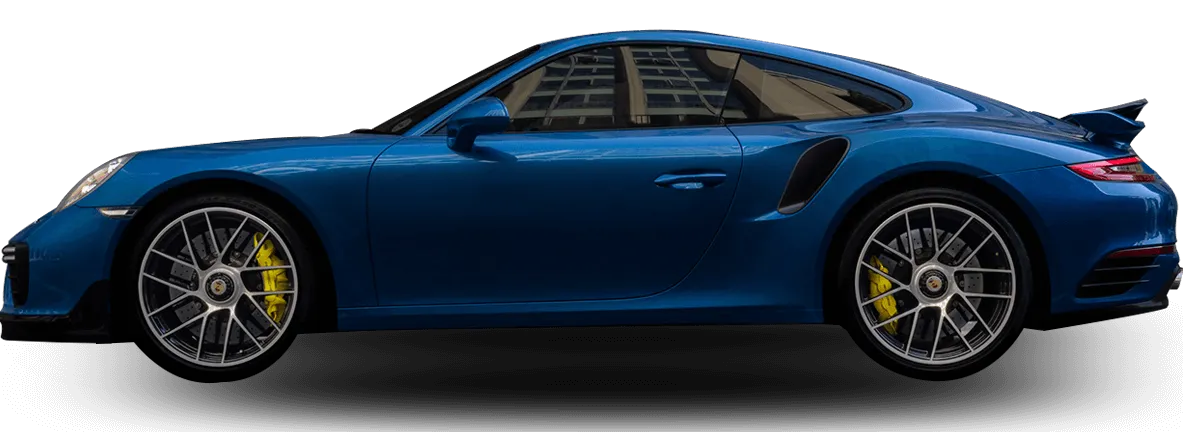
This Is What Happens Without Ceramic Tint!
Rock chips, bad washes, and UV damage are slowly destroying your paint — whether you notice it yet or not.
Excess heat, interior damage, and blinding glare add up fast when your glass isn’t properly protected.

The "Fishbowl" Effect
Untinted glass lets infrared heat pour into the cabin, trapping hot air and rapidly raising interior temperatures — even on mild days.

Dangerous Interior Temperatures
Parked vehicles without ceramic tint can reach 140°F+ inside — stressing electronics, interiors, and anyone who gets in.

Fading, Cracking & Premature Wear
UV radiation breaks down leather, plastics, and trim — causing discoloration, cracking, and permanent interior damage.

Blinding Glare While Driving
Without ceramic tint, harsh sunlight and headlight glare reduce visibility — increasing eye strain and reaction time on the road.
WHAT REAL PROTECTION ACTUALLY LOOKS LIKE!
An invisible physical barrier that absorbs impact, scratches, and road damage before it reaches your paint.
Not all tint is created equal. Ceramic delivers real heat rejection and lasting protection.

Ceramic tint blocks heat and UV at the glass level — improving comfort, protecting your interior, and reducing strain.
Ceramic tint blocks heat and UV at the glass level — improving comfort, protecting your interior, and reducing strain.
OUR ceramic tint OPTIONS!
Choose the level of protection that fits how you drive.
Choose the level of protection that fits how you drive.


What our clients say about us!
WANT TO REDUCE HEAT, GLARE & UV DAMAGE?
Get a personalized quote for Ceramic Tint.
Get a personalized quote for premium ceramic window tint and see exactly which film delivers the comfort, protection, and clarity your vehicle needs.
Claim Offer Below:
Find us in San antonio, tx!
frequently asked questions
What makes ceramic window tint different from regular tint?
Ceramic tint uses advanced nano-ceramic technology to block heat and UV rays without relying on dyes or metals. That means better heat rejection, clearer visibility, no signal interference, and long-term performance that won’t fade or turn purple.
How much heat and UV does ceramic tint actually block?
High-quality ceramic films can block up to 96% of infrared heat and UV radiation, dramatically reducing cabin temperatures while protecting your skin, interior, and electronics from long-term damage.
Will ceramic tint make my car too dark?
No. Ceramic tint works at the infrared level, so you can get excellent heat rejection even with lighter, legal shades. We’ll help you choose a setup that balances comfort, visibility, and local regulations.
Is ceramic tint legal?
Yes — when installed correctly. We’ll guide you toward legal shade options based on your state while still maximizing heat rejection and glare reduction.
Will ceramic tint interfere with GPS, Bluetooth, or cell signal?
No. Unlike metallic films, ceramic tint is non-metallic, so it won’t interfere with electronics, GPS, or phone reception.
How long does ceramic tint last?
Premium ceramic tint is designed to last for years and is typically backed by a lifetime warranty against fading, bubbling, peeling, or discoloration.
How long is the bonus offer available?
We offer bonuses on a limited-availability basis. Once our allocated installation spots are filled, the bonus is gone — there’s no set end date and no rain checks.